An Autopsy of the One-Star Review
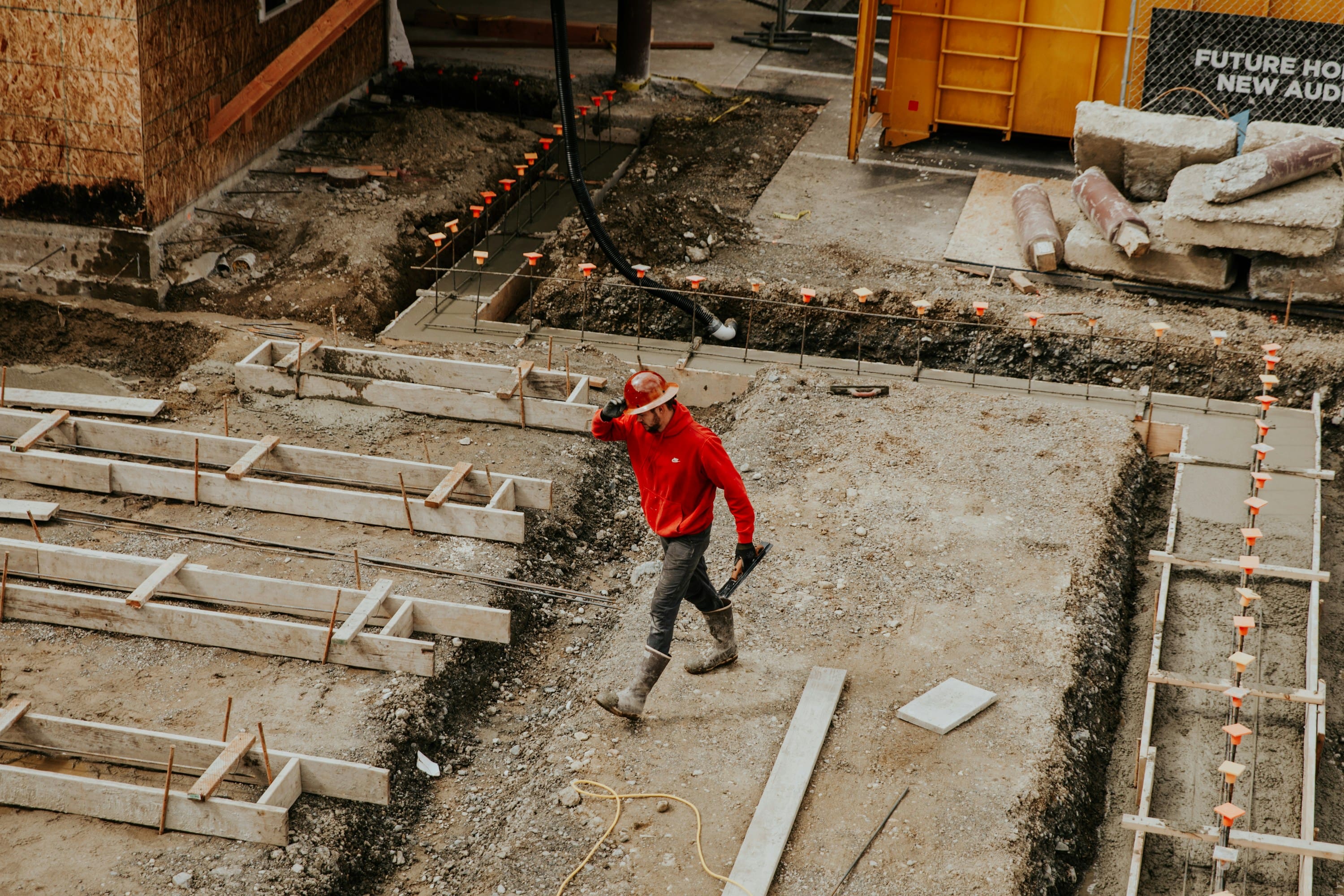
We went looking for what homeowners complain about when they give a contractor one star. The reviews are about how the job was run. The formal complaints are about what got built. Fixing the first kind is cheap.
Insights, updates, and stories from the Subser team

We went looking for what homeowners complain about when they give a contractor one star. The reviews are about how the job was run. The formal complaints are about what got built. Fixing the first kind is cheap.

A Washington general contractor's bond is $30,000, shared among everyone with a claim. A midrange Seattle bathroom costs $36,146. Here is what the bond, the insurance, and the state's new recovery fund cover, and the protections that do more.

A repair business has a median of 18 days of cash on hand. Here is what the data says about slow payment, the famous statistic you should stop quoting, the real cost of taking a card, and the Washington rules that decide whether you can collect at all.

Angi, Thumbtack and Yelp are now wired into AI assistants. We looked at the studies on where those assistants get their information about local contractors, and built a twenty-minute audit you can run on your own business.

Investors have bought hundreds of HVAC, plumbing and electrical companies, including several in Washington. Here is what the deal data shows, what they're paying for, and what it means for the shop that plans to stay independent.

We priced out contractor software for teams of 1 to 15 using the vendors' own pricing pages. On one popular product, the second login costs $110 a month and the sixth costs $140.

We ran the numbers on all 161,677 rows of Washington's public contractor license data. The typical contractor is newer, smaller, and more likely to be named after a mountain than you'd guess.

Subser is now on the App Store and Google Play, with two new features: Job Notebook for photos, markup and customer galleries, and offline mode for basements, crawl spaces and dead zones.

The construction industry is changing. Quality contractors who embrace pricing transparency will win, while lowballers who thrive on confusion will lose. Here's why the future benefits honest builders.

The average contractor spends 30% of their time on non-billable admin work. That's $54,000 per year in lost revenue. Here's why the industry needs to modernize—and how it will transform construction.

Stop settling for useless price ranges like "$5,000-50,000." Get real cost breakdowns for bathroom remodels, kitchen updates, deck building, and more—with actual numbers contractors never wanted you to see.